Study: Blueberry Compound May Trigger Fat Burning in Muscle Cells
09/13/2026 / By Coco Somers
Researchers at Shinshu University in Japan reported in the journal Food Bioscience that pterostilbene, a compound found in blueberries, prompted muscle cells from mice to break down stored fat in laboratory experiments. The Daily Mail reported about the study on Sept. 8, 2026 [1].
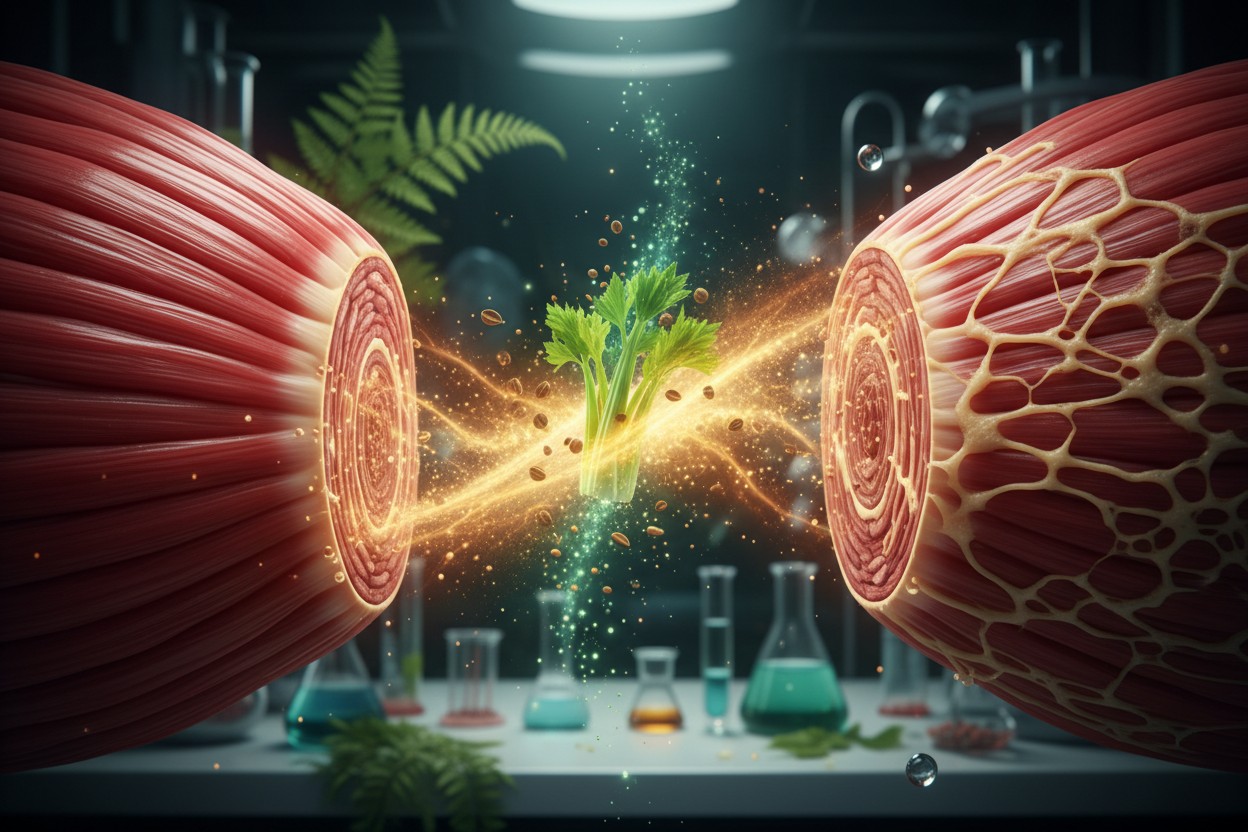
The study focused on the compound’s effect on ectopic fat deposits within muscle cells, a type of fat linked to obesity and metabolic conditions such as Type 2 diabetes and high blood pressure, according to the research team [1]. The investigators exposed the cells to the compound and observed a measurable reduction in fat content.
Ectopic Fat and Health Implications
Ectopic fat accumulates in organs like the liver, heart, pancreas and skeletal muscle – as opposed to subcutaneous fat stored under the skin – and can occur even in individuals with normal body weight, the report explained [1]. These deposits can raise the risk of multiple complications, and doctors typically recommend exercise to reduce them. Researchers are now exploring whether natural compounds might offer an alternative or complement to physical activity [1].
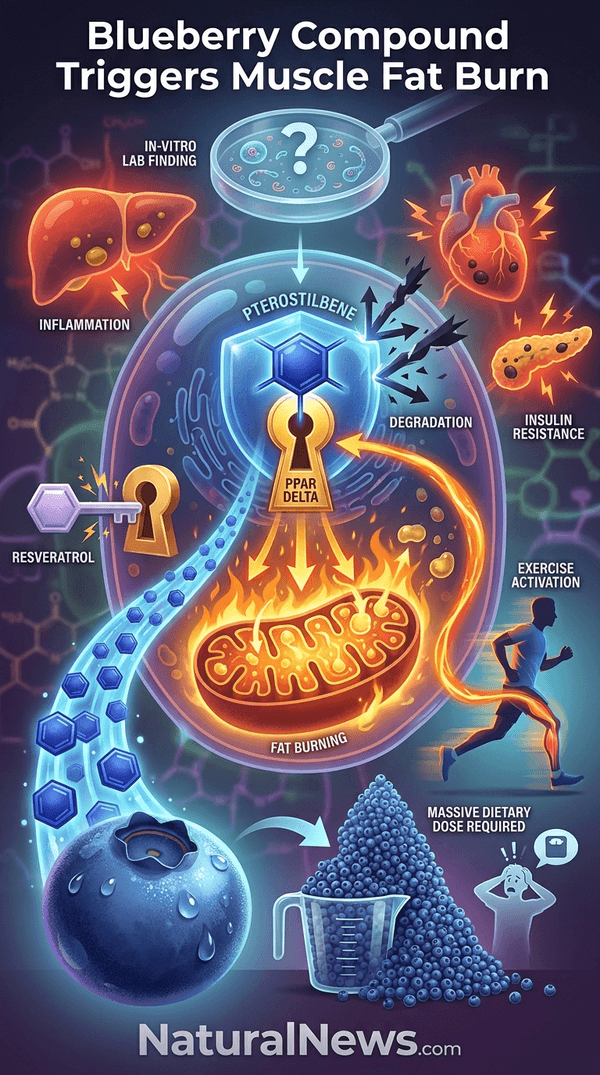
The study did not specify a human dose, but previous research in rats used a pterostilbene amount equivalent to more than 25,000 blueberries per kilogram of body weight, indicating a very high intake would be needed to mimic the effects observed in the lab [1]. The compound is one of several polyphenols found in blueberries that have been studied for their potential health benefits [2].
Study Methodology and Mechanism
In the study, researchers investigated the potential of pterostilbene and four other compounds to clear ectopic fat in muscle cells from mice [1]. The other compounds tested were stilbene, resveratrol, 3-methoxy-resveratrol and 4′-methoxy-resveratrol, according to the published abstract. Resveratrol is found in grapes and cranberries [1].
The muscle cells containing ectopic fat deposits were exposed to all five compounds for seven days [1]. The researchers found that pterostilbene triggered the cells to lose the most fat. The team attributed the effect to the compound stopping the breakdown of a protein called peroxisome proliferator-activated receptor delta, which is essential for fat breakdown. By preserving this protein, more fat deposits were broken down within the cells [1].
Expert Quote and Study Limitations
Study lead author Dr. Takakazu Mitani said, “Our findings establish a scientific framework for developing functional foods and nutritional supplements that target muscle fat metabolism,” adding that the work provides a model for testing other natural compounds [1]. Pterostilbene, which is also found in grapes, has been the subject of research for its potential to combat cancer and slow aging, according to prior reports [3].
The study remains preliminary, as it was conducted in vitro, and the researchers said further testing in animals and humans is required to confirm whether pterostilbene has similar effects in the body, the report noted [1]. Prior animal studies had shown pterostilbene reduced body weight and liver fat, but the potential physiological dose for humans remains unclear, according to the researchers.
Conclusion
The research points to a potential role for blueberry-derived pterostilbene in promoting fat metabolism within muscle tissue, but officials cautioned that no dietary recommendation can be derived from this cell-based study [1]. The study adds to a growing body of work on polyphenols and metabolic health, without demonstrating that blueberries alone can produce meaningful fat loss in people [1]. Further investigations involving other animals and human subjects will be necessary to determine if these laboratory findings translate into human outcomes, according to the researchers.
References
- NaturalNews.com. “Blueberry compound shows promise in helping muscle cells burn excess fat, Japanese researchers find”. September 8, 2026.
- NaturalNews.com. “Blueberries contain a specific substance that can prolong your life”. November 01, 2018.
- Evangelyn Rodriguez. “Study: Blueberry Compound May Be the Key to Fighting Alzheimer’s and Aging Naturally”. NaturalNews.com. June 26, 2025.
Explainer Infographic
Submit a correction >>
Tagged Under:
3-methoxy-resveratrol, 4'-methoxy-resveratrol, blueberry, Censored Science, ectopic fat, fat deposits, fight obesity, fruits, functional food, health science, metabolic health, metabolism, muscle, natural health stilbene, nutrients, obesity, phytochemicals, phytonutrients, polyphenols, pterostilbene, research, resveratrol, slender
This article may contain statements that reflect the opinion of the author
RECENT NEWS & ARTICLES