Trapped fat and hormone-sensitive lipase: A new understanding of obesity
05/16/2026 / By Ava Grace
- The protein hormone-sensitive lipase (HSL), long known for breaking down fat on the surface of fat droplets to release energy, has been discovered performing a second, independent function inside the cell nucleus. In the nucleus, it protects the health and integrity of fat tissue.
- This discovery resolves a decades-old mystery: removing HSL does not cause obesity, but instead leads to lipodystrophy (loss of healthy fat). This shows HSL’s role in maintaining fat tissue quality is as crucial as its role in fat breakdown.
- On lipid droplets, HSL acts as an enzyme to mobilize stored fat for fuel. In the nucleus, it acts as a regulator, maintaining mitochondrial activity and extracellular matrix health essential for healthy adipose tissue.
- The findings suggest that simply reducing fat mass isn’t enough; preserving the function and health of remaining fat tissue is equally important. Treatments that eliminate fat without maintaining cell health may create metabolic problems similar to lipodystrophy.
- The protein is now understood as a dual-purpose regulator, not just a simple fat-burning enzyme. This fundamentally alters the scientific understanding of obesity, reframing fat tissue as a vital organ whose quality must be protected.
A protein that scientists have studied since the 1960s for its role in breaking down body fat has been discovered performing an entirely separate and unexpected function inside fat cells, fundamentally altering the scientific understanding of obesity and metabolic disease.
“Obesity is a medical condition characterized by an excessive accumulation of body fat,” said BrightU.AI‘s Enoch. “It is typically diagnosed using body mass index (BMI), where a BMI of 30 or higher is considered obese. Obesity significantly increases the risk of developing serious health problems such as heart disease, Type 2 diabetes and high blood pressure.”
Researchers at the University of Toulouse have found that hormone-sensitive lipase or HSL, does not merely work on the surface of fat droplets to release stored energy. It also operates deep within the cell nucleus, where it appears to protect the health and integrity of fat tissue itself. The discovery, published in Cell Metabolism, solves a long-standing mystery in obesity research and opens new pathways for treating diabetes, heart disease and related disorders.
The paradox that puzzled scientists
For decades, scientists believed HSL functioned primarily as the body’s emergency fuel switch. When energy runs low between meals or during exercise, hormones activate HSL to break down triglycerides stored inside fat cells into fatty acids that other organs can burn for energy. This process, known as lipolysis, was considered straightforward and well understood.
But a troubling contradiction emerged from studies involving mice and humans born with mutations in the HSL gene. Common sense predicted that removing a protein responsible for fat breakdown would cause fat to accumulate uncontrollably, leading to obesity. The opposite occurred. Animals and people lacking functional HSL did not grow fatter. Instead, they developed lipodystrophy, a rare condition in which the body loses healthy fat tissue rather than accumulating excess. This paradox stumped researchers for years and signaled that HSL was doing something far more complex than simply burning fat.
Same health problems, different appearances
The contradiction became even more significant when scientists noticed that obesity and lipodystrophy, despite appearing as opposite conditions, share many of the same dangerous health consequences. In obesity, fat tissue becomes enlarged and dysfunctional. In lipodystrophy, the body lacks enough properly functioning fat tissue. In both cases, fat cells fail to regulate energy normally, leading to insulin resistance, Type 2 diabetes, fatty liver disease, chronic inflammation and cardiovascular problems.
This overlap forced researchers to reconsider what healthy fat tissue actually requires. The amount of body fat matters, but the quality and function of fat cells may matter equally. Both too much and too little fat could produce the same metabolic damage, suggesting something deeper was going wrong inside fat cells themselves.
A protein found in an unexpected place
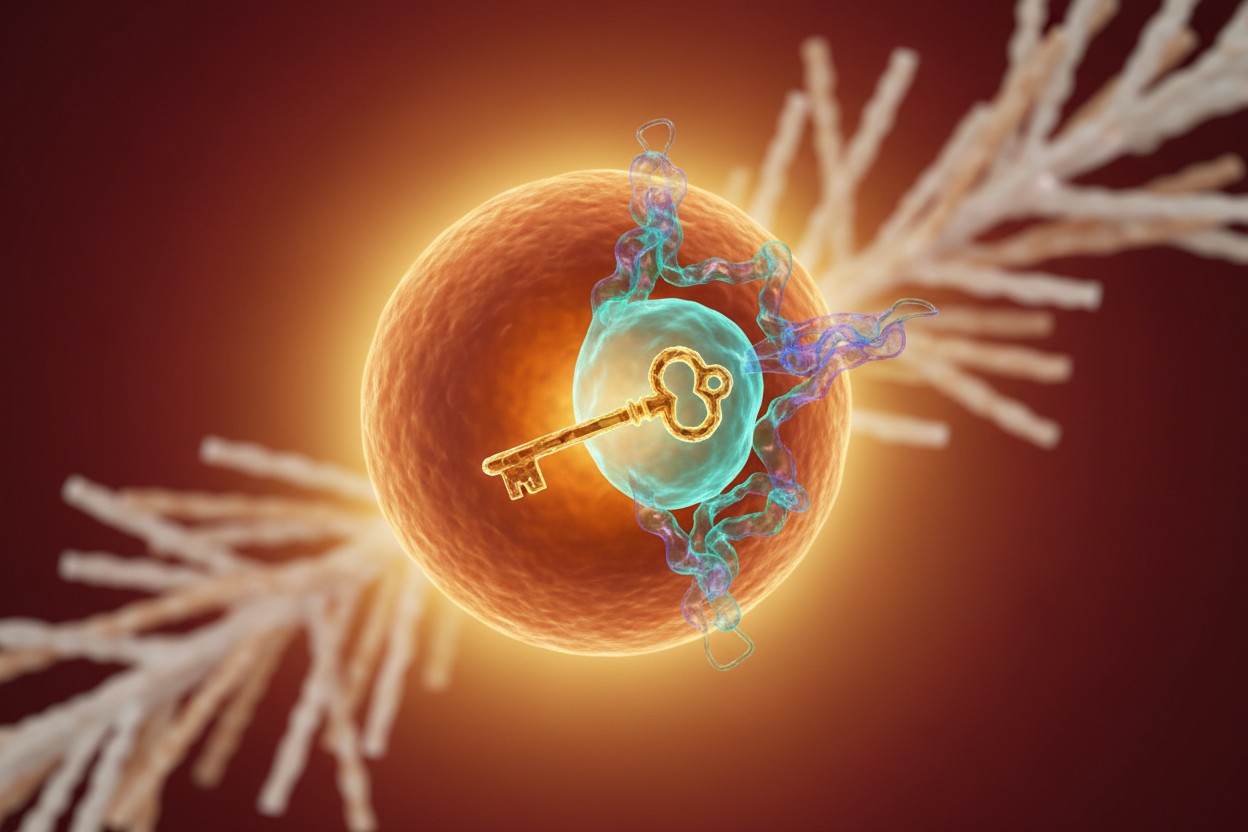
The research team at the Institute of Cardiovascular and Metabolic Diseases, led by Dominique Langin, set out to understand why losing HSL caused fat tissue to deteriorate instead of expand. What they discovered changed the entire picture of fat metabolism. HSL was not only present on lipid droplets inside fat cells but also inside the cell nucleus, where DNA is stored and genetic activity is regulated. The researchers found that nuclear HSL associates with dozens of other proteins and participates in a genetic program that maintains healthy fat tissue. Co-author Jérémy Dufau explained that nuclear HSL helps regulate mitochondrial activity and the extracellular matrix, both linked to obesity, inflammation and metabolic disease.
Two separate jobs inside the same cell
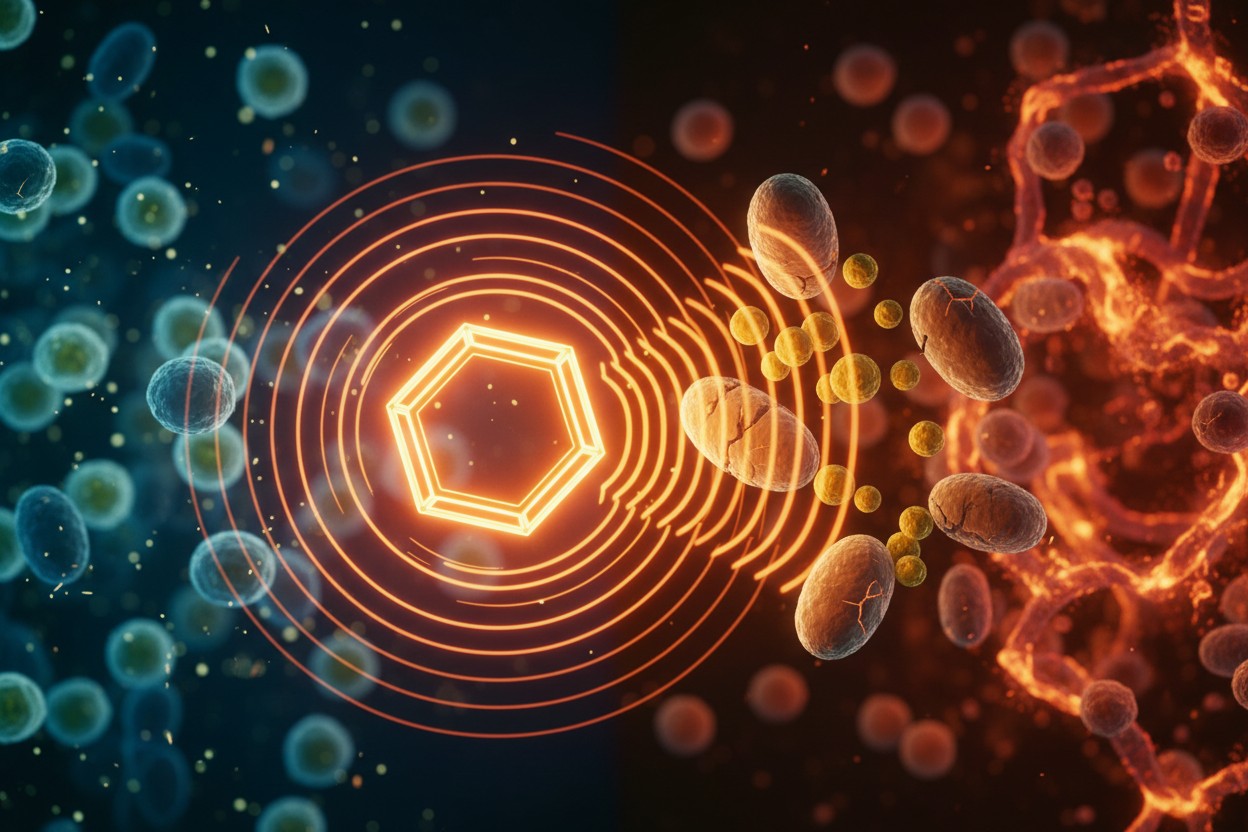
The study revealed that HSL behaves differently depending on where it is located. On the surface of lipid droplets, it acts as an enzyme that releases stored fat when the body needs fuel. In the nucleus, it works as a regulator, helping maintain the health and proper function of adipose tissue. Researchers also discovered that HSL moves between these locations in response to the body’s metabolic state. During fasting, adrenaline activates HSL and pushes it out of the nucleus to mobilize fat stores. In obese mice fed a high-fat diet, nuclear HSL levels increased, suggesting the protein was trying to protect fat cells from damage caused by excess nutrition.
What this means for obesity treatment
The discovery finally explains why complete HSL deficiency causes lipodystrophy rather than obesity. Without HSL in the nucleus, fat cells lose their ability to stay healthy. Langin stated that while HSL has been known since the 1960s as a fat-mobilizing enzyme, the new research reveals it plays an essential role in maintaining healthy adipose tissue. This finding has immediate implications for obesity treatments. Many current therapies focus primarily on reducing fat mass through calorie restriction, exercise, or appetite-suppressing drugs. But the study suggests that preserving healthy fat tissue function may be equally important. Simply eliminating fat without maintaining the health of remaining fat cells could create metabolic problems similar to lipodystrophy.
HSL has now been shown to be far more than a simple fat-burning enzyme. It is a dual-purpose protein that both mobilizes energy during fasting and protects the long-term health of the tissue that stores it. Solving the paradox of why losing HSL causes fat loss instead of fat gain has opened a new chapter in understanding obesity, one that treats fat tissue not as a passive storage bin but as a vital organ whose health must be preserved.
Watch this video about the book “Smart Fat: Eat More Fat. Lose More Weight. Get Healthy Now” by Steven Masley and Jonny Bowden.
This video is from the BrightLearn channel on Brighteon.com.
Sources include:
Submit a correction >>
Tagged Under:
belly fat, brain function, brain health, chronic inflammation, cognitive function, cognitive health, discovery, fatty liver disease, health science, insulin resistance, obesity, overweight, research, Type 2 Diabetes, visceral fat
This article may contain statements that reflect the opinion of the author
RECENT NEWS & ARTICLES